
Canary Wharf Had the Best Office Tower in London. Nobody Wanted to Work There.

Canary Wharf Had the Best Office Tower in London. Nobody Wanted to Work There.
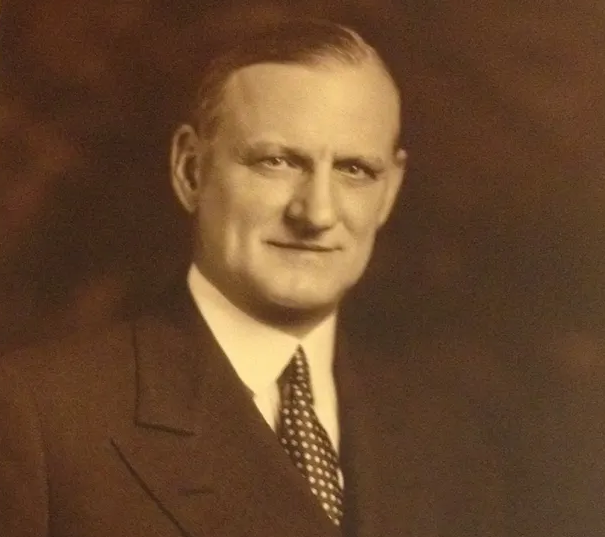
In 1987, George Iacobescu was sent to London to inspect a stretch of former docklands for Olympia & York. He had never been to London. He got lost on the way there and spent more than two hours walking through a part of the city that seemed to have been left behind—closed warehouses, empty water, the remnants of a nineteenth-century port that had simply stopped.
He returned to New York and sent Paul Reichmann a short note.
"Don't touch it."
Reichmann touched it anyway.
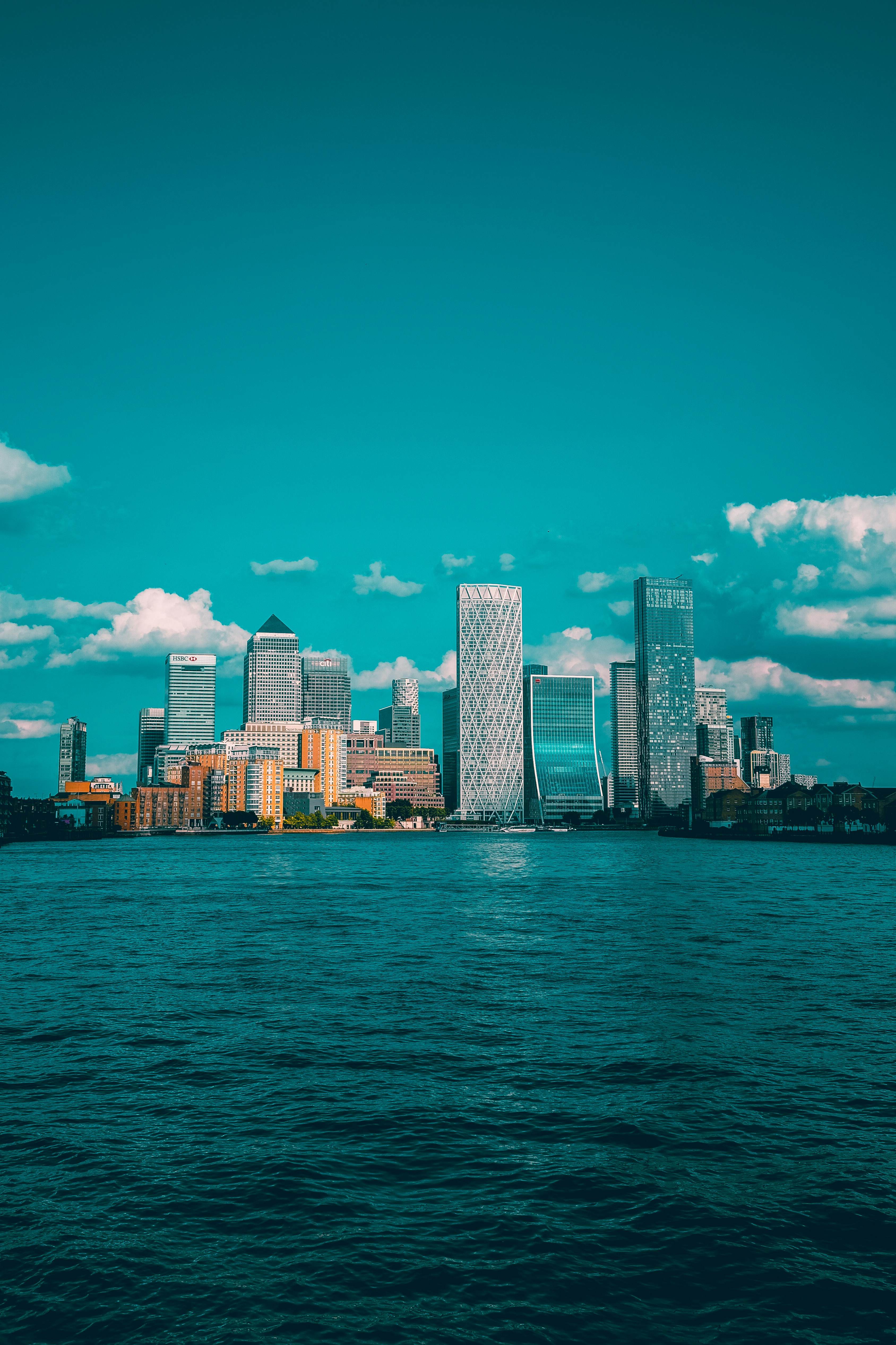
Over the next five years, Olympia & York built Canary Wharf: eleven office buildings, more than four million square feet in the first phase, and One Canada Square—then the tallest building in Britain, its pyramid top visible from miles across the Thames. The tower rose from the old West India Docks with a confidence that is now almost impossible to separate from the late 1980s. It was modern, expensive, technically ambitious, and designed for the large trading floors that banks and financial firms could no longer fit comfortably into the older buildings of the City of London.
The construction did not fail. The first phase was completed in 1992, on time and barely over budget. Much of it had been leased before the cranes came down.
In May 1992, it went into administration anyway.
The people who built Canary Wharf were not naive. Olympia & York were arguably the most sophisticated large-scale developers in the world at the moment they took over the project. They had built the World Financial Center at Battery Park City—another site that had required inventing a neighborhood from disused land. They had bought distressed New York properties at the bottom of the previous cycle and had assembled enough balance-sheet strength to finance major construction from portfolio cash flow rather than conventional bank lending. Few developers could have attempted Canary Wharf. Fewer still could have made the attempt look rational.
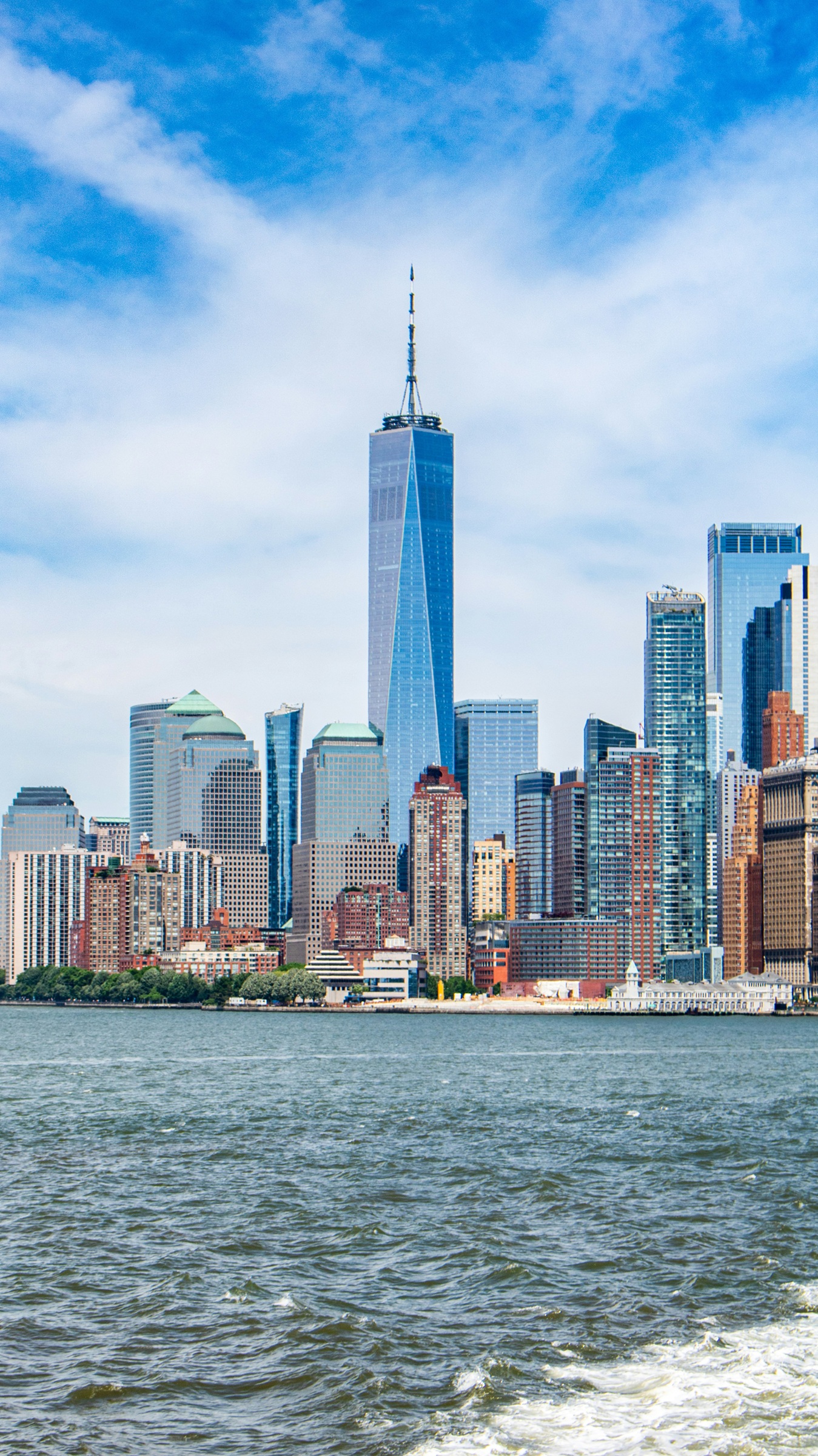
They also did their research. London's office vacancy rate was below five percent when they entered the deal. Rents in the City were near their historical peak. Three-quarters of London's existing office stock was functionally obsolete, wrong floor plates, low ceilings, inadequate technology infrastructure, and a wave of major corporate leases was expiring between 1990 and 1992. The 1986 deregulation of British financial markets was accelerating demand from foreign banks and securities firms that did not share the British instinct to stay close to the old addresses.
Reichmann's financial plan reportedly included not one but two recessions.
What that analysis did not fully reckon with was that Canary Wharf was not simply an office building. It was a proposed district: a new commercial node, three miles east of the City, on a site with no established street life, no accumulated amenities, and no transport network adequate to the scale of use being proposed. The West India Docks had closed in 1980 not because the land was worthless but because the activity that had made it useful had migrated elsewhere. The buildings O&Y was constructing were excellent. What those buildings required in order to function as a genuine financial district was a different problem: the ecosystem that would make them more than expensive architecture.
The Docklands Light Railway existed. It ran to Bank station in the City in roughly ten minutes. But the DLR had been designed for light industrial and residential use, not for a development intending to absorb major financial institutions. It suffered from early reliability problems that attracted sustained negative press coverage during the critical 1990–91 leasing period. And beyond capacity, there was a subtler difficulty: a financial institution's decision to move its headquarters is not just a real estate decision. It is a statement about where the firm sees itself. In British corporate culture, the City of London—its proximity to counterparties, regulators, and the informal networks that had organized British finance for centuries—was not merely convenient. It was constitutive. Moving to Canary Wharf meant moving away from all of that, to a site that, however impressive from above, still felt like it was under construction.
A Jubilee Line extension had been planned. It would run from Green Park through the heart of the financial district, directly under Canary Wharf, changing the site's accessibility and its symbolic relationship to the rest of London. By 1992 it had received Royal Assent. Contracts were ready to be let. The project was genuinely imminent.
It was also, in a critical sense, contingent.
Olympia & York had agreed to contribute £400 million toward the Jubilee Line extension's cost with roughly £40 million due in March 1992, £60 million the following year, and the balance spread across the next two decades. The net present value of that obligation was closer to £160 million, but the commitment was substantial, and the government had structured the project around it.
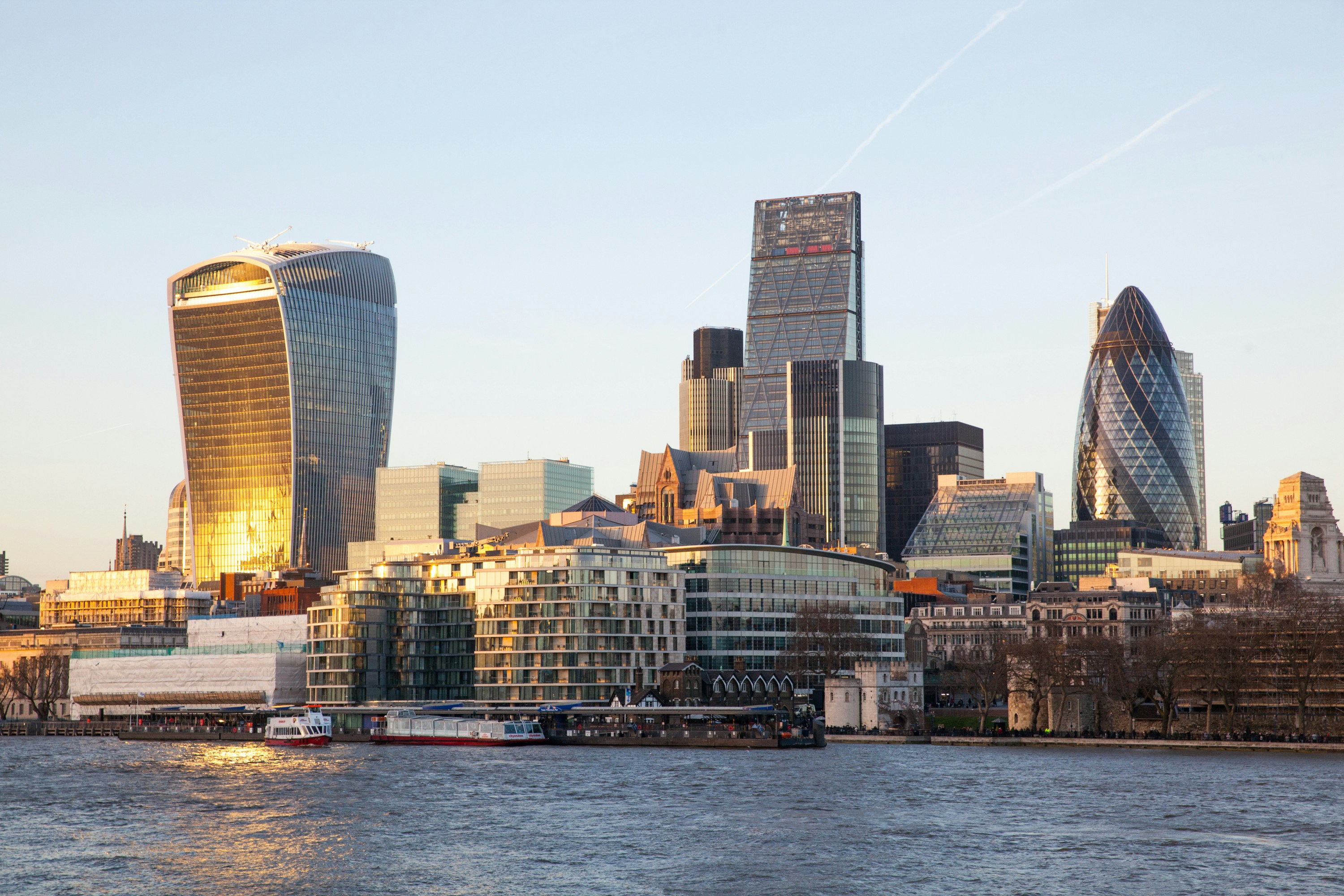
In the spring of 1992, O&Y's financing came apart. The company had financed Canary Wharf not with conventional construction debt but by borrowing against its broader portfolio of first-class properties in New York, Toronto, and London, and by packaging several of those buildings as commercial bonds that institutional investors had been willing to roll over at maturity. When a group of those bonds came due at the same moment that Canary Wharf's construction costs were peaking, the investors stopped rolling. The real estate market had deteriorated badly across North America and Britain. O&Y scrambled to sell assets but could not find buyers fast enough, or at prices that covered the loans. In March and April it defaulted on a series of payments. In May, its empire went into bankruptcy across Canada and Britain simultaneously.
With it went the private commitment on which the Jubilee extension had been structured.
Parliament debated the situation in July. The language in the chamber was, in some moments, more precise than anyone probably intended. A Conservative Member summarized the position plainly: the pace of private property development had outstripped the much slower provision of public infrastructure. Spectacular office buildings were surrounded by continuous road and construction works. The development had moved faster than the city required to make it work.
The banks that had financed O&Y now found themselves holding a problem they had not underwritten. They owned, or had claims on, a large quantity of partially occupied office space in a location that was not yet fully connected to the city it was supposed to serve. The government's position was that the private contribution to the Jubilee Line remained a condition of the project proceeding. In December, the minister responsible put the logic plainly: once Canary Wharf was fifteen minutes from Green Park, its value as real estate would be substantially enhanced. That argument, he noted, was not lost on the bankers who now found themselves owners of the property.
This was the trap in full. The banks needed the Jubilee Line to make their collateral worth more. The Jubilee Line needed a private-sector contribution to proceed. The contribution had been expected from O&Y, which no longer existed in a form capable of making good on it. The successor creditors, a group of American, Canadian, Swiss, and British banks with different exposures and interests, were being asked to fund the infrastructure that might recover the value of the assets they had inherited, with no certainty the value would materialize, and no mechanism to align the group.
The recession was severe. The timing of the cycle was bad. Competition from the City had been more aggressive than the original research suggested. O&Y's financial structure had been unusual and ultimately fragile. Any one of these problems might have been manageable in isolation.
What made the first version of Canary Wharf impossible to rescue was that they arrived together—and then locked. The transportation gap undermined the leasing. The leasing failure stressed the financing. The financing collapse threatened the infrastructure. The infrastructure uncertainty made the leasing harder to recover. Each problem amplified the others.
There was no single cause. There was a structure.
Paul Reichmann returned in 1995 with a new group of investors and reacquired Canary Wharf from the administrators at a substantial discount to its construction cost. The second phase was built differently: one building at a time, with meaningful pre-leasing before construction began, conventional financing, and capital structures that did not depend on portfolio-wide assumptions holding across multiple markets simultaneously.
By then the Jubilee Line was also proceeding—its private-sector contribution renegotiated with the creditors who had inherited O&Y's position, construction resumed, its cost grown considerably during the pause. The line opened in 1999. By that year, the first phase—only fourteen percent occupied at the moment of the 1992 bankruptcy—was fully leased. Within a decade, the district Reichmann had originally envisioned was substantially complete: a second financial center for London, home to major global banks, served by deep underground infrastructure, integrated into the city in ways that made the 1992 site almost unrecognizable.
Years later, Iacobescu—who had stayed through the bankruptcy and helped rebuild the project—described the achievement simply.
"We didn't build buildings. We built a city."
That was true. But it was only true after the original development had failed.
The lesson usually drawn from Canary Wharf is something about hubris, or building ahead of demand, or the folly of speculative development at scale. These readings are not wrong, but they understate what actually happened.
What actually happened was that an asset of genuine quality—buildings that were physically real, architecturally serious, and eventually in strong demand—was placed into a structure where its value depended on conditions that could not be taken as given. The transportation integration, the broader office market, the continued solvency of the developer, the willingness of institutional investors to keep rolling paper: none of these was invented. All of them eventually materialized. But they were not all present at the same time, in the same place, and in the right sequence. And they were financed as though they were.
The particular danger was not just that these conditions were absent. It was that some of them were contingent on each other in ways that amplified failure in both directions. The Jubilee Line was real infrastructure serving a real need. It was also funded in part by the developer whose own solvency depended on the district being accessible enough to attract tenants. When the developer failed, the infrastructure was threatened. When the infrastructure was threatened, the district's value fell. When the district's value fell, the creditors who now held the assets had less collateral against which to justify funding the infrastructure. The loop ran in both directions. What looked like a series of independent risks was, under pressure, a single system.
Most serious evaluations of a project will identify risks. Fewer ask whether the risks are coupled—whether the failure of one condition makes the failure of another more likely, and whether the combination can travel faster and further than any individual element would suggest. An asset can be sound on its own terms and still exist inside a structure where the surrounding conditions are themselves dependent on each other's survival.
The question Canary Wharf poses, and never quite answers, is not whether the asset was good. It clearly was.
The question is whether the full set of conditions required to make it work were each capable of becoming real independently of the others. Some were. Some were not. The ones that were not were the ones that failed together.
Daniel Sexton is Managing Partner of Vanguard Industrial Partners and founder of Arkvera. He works on the deals and developments where capital alone isn't enough.